Simplify your visit to the Biodôme or the Insectarium with the app: locate yourself in real time, discover exclusive content and enrich your knowledge.
Would you like to participate in the advancement of natural science and scientific culture? Get people interested in environmental issues? Become a member of the Espace pour la vie Foundation and take part in its activities.
Their extensive live and naturalized collections, their educational capacities and their scientific research all contribute to the unique character of our museums.
A simple question... As a nature interpreter at the Insectarium, I’m often asked this question: “By the way, how long does an insect live?” It’s...Read more
You may have noticed specimens of a very beautiful butterfly last summer. It’s one that’s hard to miss: the giant swallowtail is the largest...Read more
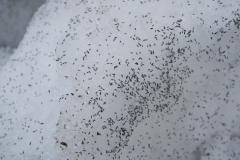
Text written on April 4, 2018 Snow fleas are neither fleas nor insects. In fact they’re springtails , little arthropods that are close cousins of...Read more
Written on December 4, 2014 For the longest time, the beauty and magnificence of insects have been a source of inspiration for painters, sculptors,...Read more
Whereas we thought we were looking at two different species, now the Insectarium team discovers that the specimens belong to one and the same species...Read more
Katydids belong to the order of Orthopterans and number more than 6,400 species around the world, 17 of them in Québec! They have powerful hindlegs...Read more
When we think of pollinating insects, honeybees and bumblebees are the first things that come to mind. Nevertheless, other insects, including some...Read more
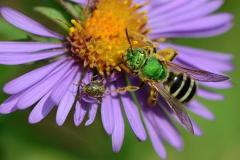
What’s the name of that little green metallic bee ? What’s that scary-looking thingy doing in my swimming pool? Is that big spider venomous? How can...Read more
Written on January 23, 2018 Among insects that bear a strong resemblance to leaves, the Phylliidae are probably the most remarkable. The first...Read more
If Noah’s Ark was home to two examples from every animal species on Earth, one-quarter of its passengers would have been beetles: Coleoptera . The...Read more