









- February 25, 2026 - Jardin botanique : The Gardener’s Book
In Québec, we tend to associate gardening with warmer weather, but we underestimate the benefits of cooler temperatures that other seasons bring. And yet, a number of vegetable plants benefit from the cold, much to the delight of our tastebuds. So why not garden in tune with the seasons?
Crops year round
Spring
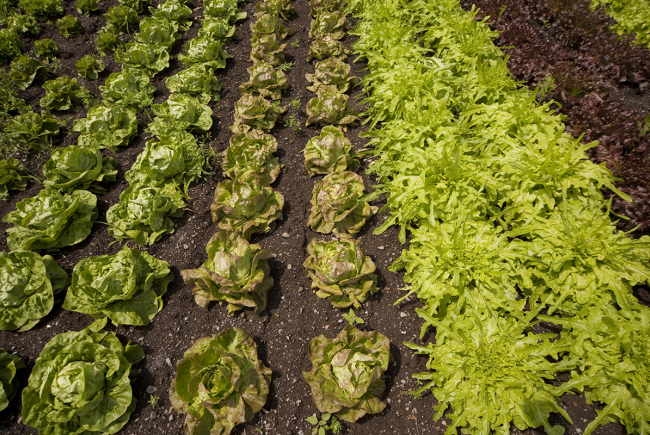
There are several crops that prefer cool weather to summer heat. As soon as the soil warms up, some plants are quick to take over fields and vegetable gardens. Germinating at temperatures below 5 °C, spinach, lettuce and radishes are some of the first you’ll find at public-market shelves in the spring.
Summer
Blueberries, tomatoes, sweet peppers and raspberries are iconic warm-weather foods. For these fruits and vegetable-fruits to ripen, they need the heat of the summer months. Hours of sunshine and the sporadic presence of rain are two other ideal conditions leading to good harvests.
Autumn
In autumn, the first frosts bring an end to certain harvests like tomatoes and squash, whereas other fruits and vegetables become more succulent. For example, after a light frost, carrots take on a sweeter taste. But be careful: prolonged harsh weather conditions will turn these root vegetables soft.
Winter
It’s primarily plants picked in the fall that keep well and that can be consumed during the cold season. And that’s why root vegetables (carrots, potatoes, rutabaga, and so on) are part of the local diet. There are also several varieties of winter cabbage that can be harvested at the beginning of winter: kale survives temperatures ranging from -15 to -20 C.
When climate disrupts harvests
The needs of every vegetable plants differ in terms of water, heat and sunlight. So it’s possible to harvest in the vegetable garden from spring to early winter. But what do plants that fall victim to extreme weather conditions do?
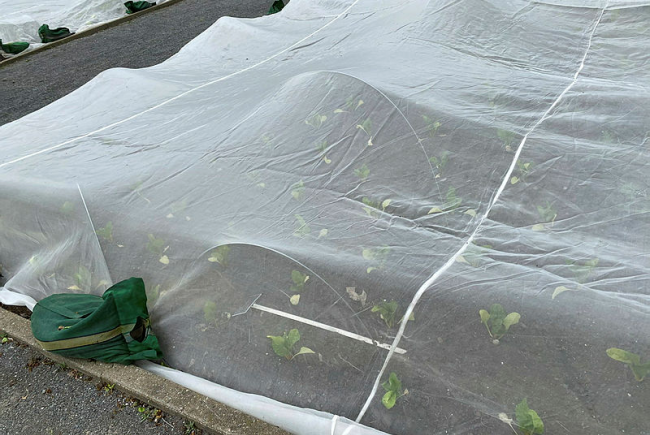
Climate change brings its share of surprises with it, even in the garden: heavy rainfall, drought and fluctuating temperatures can cause damage to plants. A lot of rain over an extended period affect certain crops – tomatoes and squash, for instance – by encouraging the growth of fungi. Several leafy vegetables and radishes, on the other hand, are sensitive to drought and strong sunlight.
So what should we do to increase resilience in the garden? There are simple, accessible answers, which favor biodiversity at the same time. And the solution lies … in plants!
Plants to the rescue
Planting vegetation remains the simplest, most effective solution for reducing the impact of climate change on our harvest. Think about adding trees, shrubs and groundcover to your garden!
Trees, our great allies
Through their thermal insulation capacity, trees protect nearby crops from excessive heat through the shade they provide and the coolness they give off.
Trees, shrubs and other plants foster biodiversity by offering habitats and food to a number of animals. Those animals are key allies where vegetable gardens are concerned. Pollinators, as it happens, promote plant reproduction, and therefore the production of fruit, while birds aid in the struggle against crop pests by eating them.
The importance of groundcover
The presence of groundcover plants stabilizes the soil and maintains a healthy humidity level, which allows for greater resilience in the face of drought.
In short, putting in plants remains an excellent way to improve harvests, optimize biodiversity in our vegetable gardens and refresh our environment.
Activities everyone can do
Gardening is an activity that’s beneficial for our environment, but let’s not underestimate the importance of planting trees or flowering ground cover. Every action counts, and helps the community feed itself locally. For curious minds who’d like to play in the dirt, the program  introduces young people from 8 to 16 to seasonal agriculture.
For more information about local food, come be part of the guided activity “Through the Seasons” at the Jardin botanique de Montréal. And discover other fascinating facts about plants and how they adapt to climate through Winter of 4 seasons activities.


