




- May 28, 2025 - Biosphère, Espace pour la vie
Science is everywhere
It’s true, science is everywhere around us and in our day-to-day lives: it’s the chemistry in desserts, the sourdough in bread, the fermentation of fruit… It’s also discovering mathematics and the Fibonacci number in the petals of flowers or the shell of a snail. In a word, science surrounds us – so how do we interest our young people in it?
By using their inborn curiosity, is how; by making them aware of the impact of their daily activities; by involving them in causes that matter to them – that’s a few ideas right there!
Heightening curiosity
Scientists are keen observers, and examine nature around them in order to draw inspiration from it. That’s called biomimicry, or how nature inspires new solutions. Meaning, science and environment go hand in hand!
Did you know that after studying shark skin, scientists developed a swimsuit that reduced water resistance, allowing users to swim faster?
Did you know that gliders are inspired by the structure of albatrosses to guarantee maximum aerodynamics?
Young people are already exposed to science: all that needs doing is to make them realize it! The Eureka! Festival, with its three days of free activities, will bring out the budding scientist in you. On the program: a hundred original interactive activities, dozens of lectures and interactive shows, over 50 hands-on creative and experimental workshops and, at the Biosphère, exhibitions and immersive activities that will provoke astonishment and reflection.
Assessing our impact
Asking ourselves questions about the environment that surrounds and inspires us isn’t everything: it’s also interesting to understand the impact of our daily lives on the planet. Have you ever tried calculating your ecological footprint with your children? How many planets would be needed if all humans lived like you? This exercise makes it possible to appreciate, for example, that consuming more plant proteins or getting around more by bicycle are concrete actions that have a significant impact on the health of our planet.
Innovating and getting involved
Attend an ethical fashion show with your teenagers or challenge your family to find substitutes for disposable plastic objects at home. Let’s innovate for nature’s sake!
Another way of introducing them to science while arousing curiosity is community science. It allows those interested to take part in research projects without having scientific training. In addition, contributing to the wellbeing of the planet and the development of scientific knowledge provides a sense of being where the action is! A great example is Mission Monarch. Check with your children whether monarch caterpillars can be found on the leaves of your milkweed plant. It’s useful for science, and fun at the same time.
Another community science project for your children to discover is code Béluga. Following a protocol established by Génome Québec, and with the support of the Biodôme's education team, the public is invited to come and take water samples containing environmental DNA to better understand the state of biodiversity in the St. Lawrence Estuary. Fascinating, isn't it?
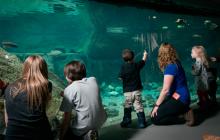
A family outing to a science museum or Space for Life can trigger passions in young people that will last their whole life through. Day camps are also an excellent gateway for an introduction to science and to nature.
Take action!
Do you have leadership skills and want to act for the planet? Help all the members of your family discover how interesting science is and how it brings solutions to environmental problems. Activate your creativity and become involved with environmental organizations. When you convey the pleasure of science to younger generations, you’ll be making a difference.


